
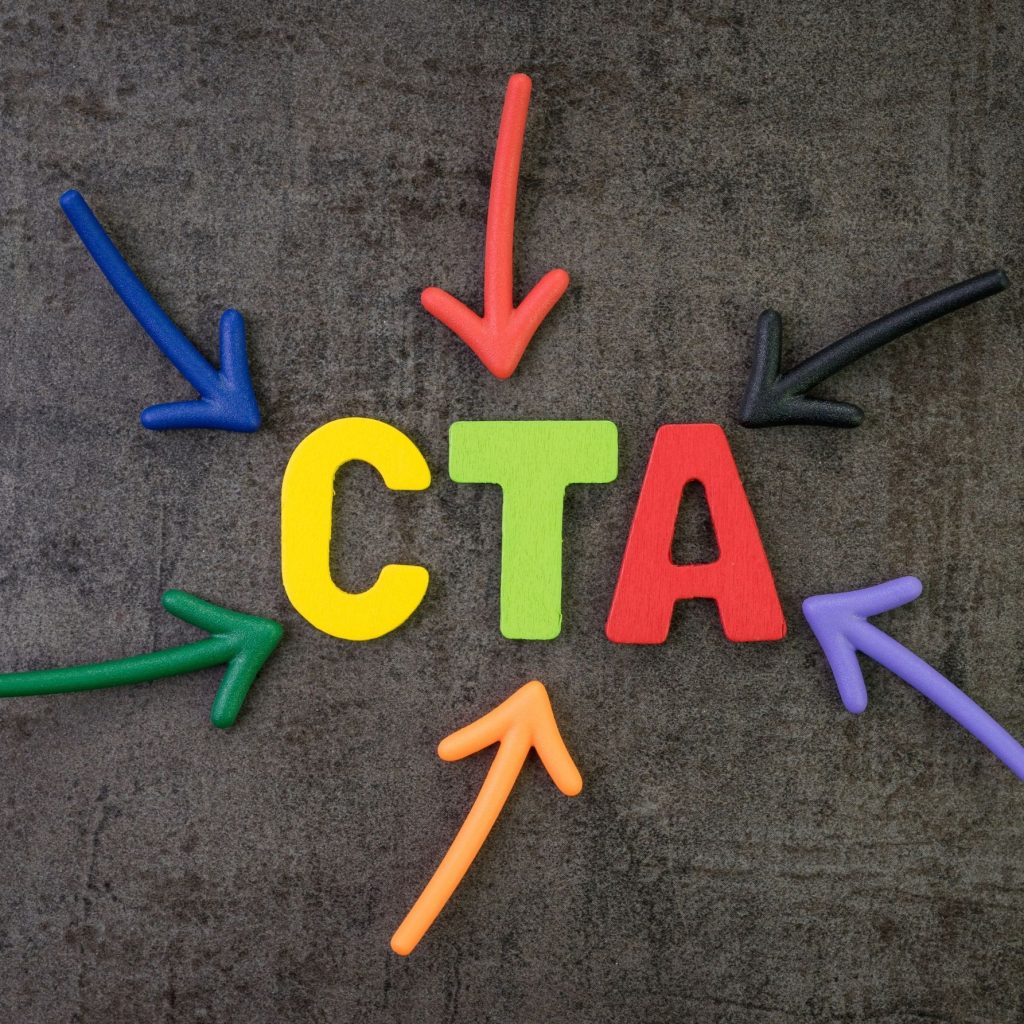
A website should do more than provide information. It should guide visitors towards the next step, whether that means contacting your business, requesting a quote, booking a service or making a purchase.
A call to action (CTA) is a clear instruction that encourages website visitors to take a specific action.
What Is a Call to Action?
A call to action is usually a button, link or message that tells visitors what they should do next.
Common website calls to action include:
- Request a quote.
- Contact us.
- Book a consultation.
- Shop now.
- Download a guide.
- Get started.
A good CTA removes uncertainty and helps visitors move through the customer journey.
Why Are Calls to Action Important on Websites?
Many businesses invest in website design but overlook the importance of guiding visitors towards an action.
Effective calls to action can help:
- Generate more enquiries.
- Improve customer journeys.
- Increase conversions.
- Make websites easier to use.
- Connect visitors with your business.
Where Should Calls to Action Be Placed?
Calls to action should appear where they make sense within the customer journey.
Common locations include:
- The home page.
- Service pages.
- Product pages.
- Blog articles.
- Contact sections.
The placement should feel natural and help visitors take the next logical step.
What Makes a Good Call to Action?
An effective CTA should be clear, specific and easy to understand.
Good calls to action usually:
- Use simple language.
- Explain the benefit.
- Stand out visually.
- Create a clear next step.
- Match the page purpose.
For example, “Request a Free Website Consultation” gives visitors more information than a generic “Click Here” button.
Different Businesses Need Different Calls to Action
The best CTA depends on what the business wants customers to do.
Examples:
Service Businesses
Service providers may focus on:
- Requesting quotes.
- Booking appointments.
- Starting conversations.
Ecommerce Businesses
Online stores may focus on:
- Adding products to carts.
- Viewing offers.
- Completing purchases.
LoveLocal helps businesses create website designs that guide customers towards meaningful actions.
How Calls to Action Support SEO and AEO
Calls to action do not directly replace search optimisation, but they contribute to a better user experience.
A well-structured website helps both visitors and digital platforms understand:
- What your business offers.
- What information is important.
- What actions customers can take.
Clear structure, useful content and strong user journeys support effective SEO and Answer Engine Optimisation (AEO).
Common Call to Action Mistakes
Businesses often make mistakes such as:
- Using unclear wording.
- Having too many competing CTAs.
- Making important actions difficult to find.
- Not including CTAs on important pages.
A website should make it easy for customers to know what to do next.
Creating Websites That Encourage Action
A successful website combines design, content and strategy to help visitors move from interest to action.
If you need a website designed to support customer engagement and business growth, contact LoveLocal to discuss your project.